
4.3/5 Trustpilot
“Off Cymbalta after 11 years.”
“60 days on Ache Help paired with Pain Blend topically and I’m off both prescriptions with my doctor’s blessing.”
James R.

First order, on us
Doctor-formulated supplements built from forty years of clinical practice. Sign up for the Dr. Schrock's Journal and get your discount code instantly.
No spam. Unsubscribe anytime. Clinical guides & product notes only.
You're in
Apply at checkout for 10% off any order. We've also emailed it for safekeeping.
Start shopping → Free Shipping on all US orders over $75
 30-day satisfaction guarantee
 Doctor-formulated since 1990

Popular searches
Trending products
Shop by Ingredient · Lavender Oil · 4 formulas
The most evidence-backed essential oil in modern aromatherapy. Single-origin French lavender — rich in linalool and linalyl acetate — for sleep, calm, and skin support.

Curated by
Dr. Daniel Schrock, DC — 40 years of clinical practice
I recommend a small set of essential oils to my patients, and lavender is always near the top of the list — because the research backing it is unusually deep for a botanical. Two compounds in particular, linalool and linalyl acetate, modulate the brain's GABA receptors in ways that look remarkably like a low-dose pharmaceutical anxiolytic, without the side effects.
Sourcing matters more than most people realize. The lavender industry is full of synthetic adulteration and hybrid "lavandin" oils that smell similar but contain a different chemical profile. Our oil is single-origin French Lavandula angustifolia, distilled the traditional way, and tested for the linalool and linalyl acetate ratios that define a real therapeutic-grade lavender. That's why a few drops on a pillow, in a diffuser, or diluted onto skin actually does what the label says.
Essential oils are concentrated plant extracts and should be used carefully. Always dilute before applying to skin and avoid contact with eyes and mucous membranes. These products are not intended to diagnose, treat, cure, or prevent any disease. Always consult your healthcare provider before use during pregnancy, with infants, or alongside prescription medication.
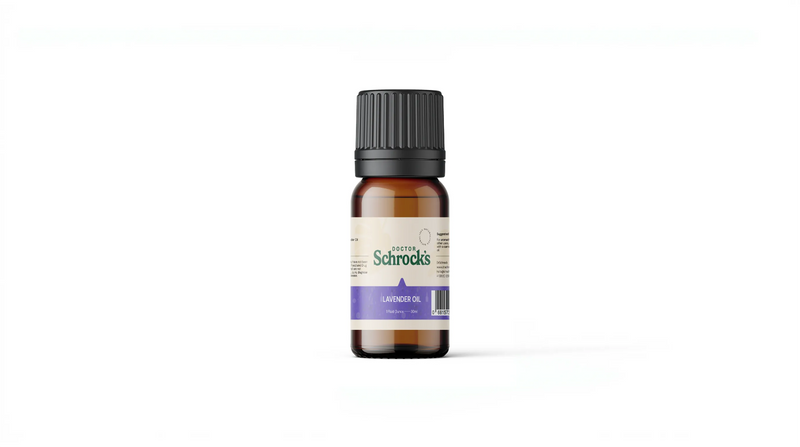
Single-origin French Lavandula angustifolia — steam-distilled, third-party tested, and rich in the linalool and linalyl acetate that define a true therapeutic-grade lavender. The bedside-table essential Dr. Schrock has recommended for sleep, calm, and skin support for decades.
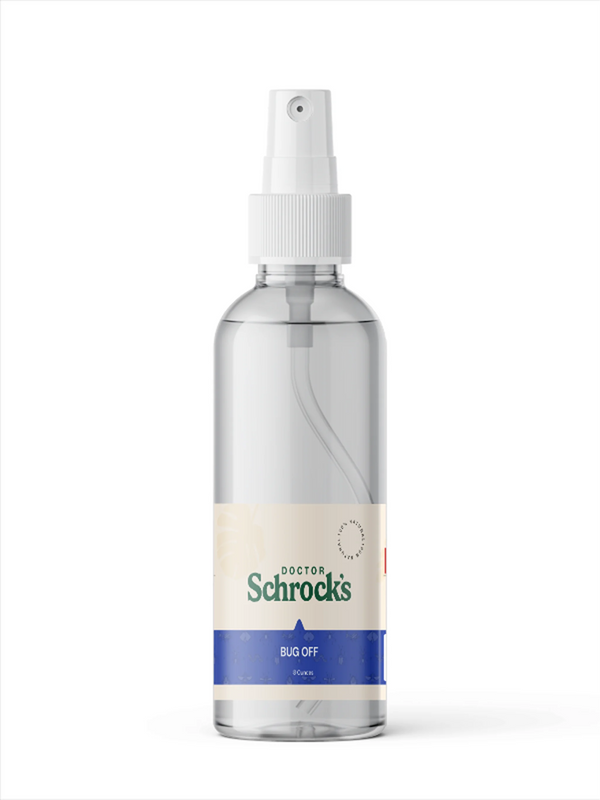 6% Off
DEET-free 7-oil botanical spray for outdoor adventures and gardening.
$14.99
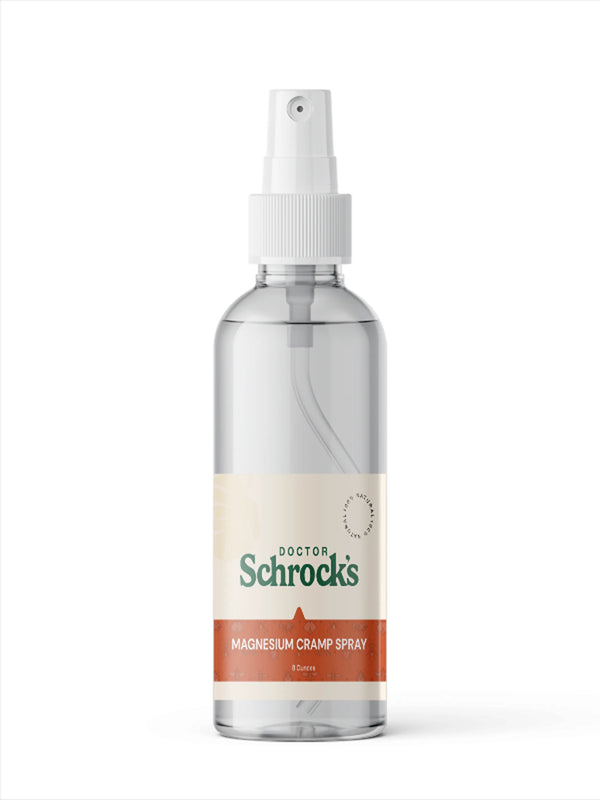 28% Off
Transdermal magnesium + potassium for cramp relief in 2-5 minutes.
$24.99
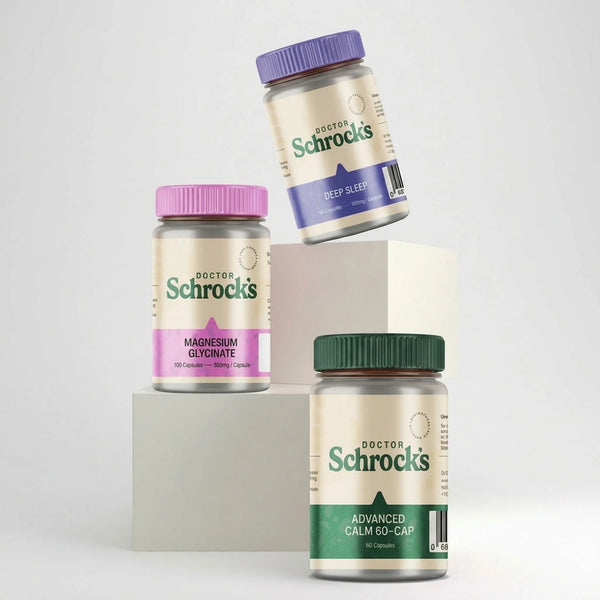 23% Off
4-formula protocol for chronic poor sleep and nervous-system overload — save $25.97.
$82.99
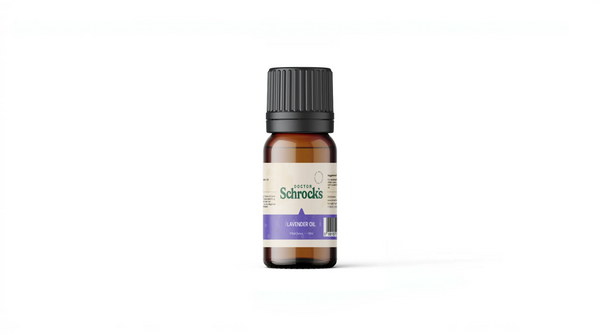 15% Off
Pure French Lavender essential oil for sleep and calm.
$16.99
Lavender oil is not just a pleasant smell. Two active compounds — linalool and linalyl acetate — give it a real neurochemical and dermatological footprint that has been studied for decades.
Linalool, the primary terpene in lavender, modulates the GABA-A receptor — the same calming system targeted by prescription anxiolytics, but without the side effects. This is the neurochemistry behind the well-known relaxing effect.
Multiple controlled trials show lavender aromatherapy improves sleep quality and reduces situational anxiety scores. This is one of the few essential oils with that quality of evidence behind it.
Lavender supports the skin's natural repair process — useful in diluted form for minor irritations, blemishes, and post-sun discomfort. Always dilute in a carrier oil before applying to skin.
Our oil is Lavandula angustifolia from French growers, steam-distilled the traditional way, and tested for the linalool and linalyl acetate ratios that separate true therapeutic lavender from the cheap hybrid lavandin most stores sell.
Lavender pairs beautifully with magnesium glycinate, our calming botanicals, and complementary essential oils. The Sleep & Calm Essentials bundle stacks all four — for a full bedtime ritual.
Bundle price
$59.95
$71.37separate
Dr. Daniel Schrock
Doctor of Chiropractic | Licensed since 1990
I am cautious about aromatherapy claims in general, but lavender is the exception. The clinical literature on linalool and linalyl acetate — its two primary actives — is genuinely robust. Multiple controlled trials show measurable improvements in sleep quality and situational anxiety. That puts lavender in a category by itself among essential oils.
What I tell patients: pick a single-origin Lavandula angustifolia (not lavandin, the cheap hybrid), use it in a bedside diffuser an hour before sleep, and pair it with magnesium glycinate for a real bedtime ritual. A drop or two diluted in carrier oil on the temples or wrists works the same way through skin absorption.
From verified buyers in this collection
“60 days on Ache Help paired with Pain Blend topically and I’m off both prescriptions with my doctor’s blessing.”
James R.
“30 days in and I can grip a coffee cup at 6am without warming up first. Subscribing forever.”
Margaret S.
“I’m a strength coach. I’ve put 20+ clients on Inflam-Help Daily — recovery times noticeably faster across the board.”
Tony L.
A good rule of thumb for adults is 1–2 percent dilution — roughly 6–12 drops of lavender per 1 ounce (30 ml) of carrier oil like fractionated coconut, jojoba, or sweet almond. For children and sensitive skin, drop to 0.5–1 percent. Patch-test on the inner forearm before broader use.
Both work, and they shine in different situations. Diffusion is ideal for ambient calm before sleep or during stressful periods — 3–5 drops in a diffuser, run for 30–60 minutes. Topical (always diluted) gives a more localized effect and is useful for tension spots, temples for headaches, or skin irritations. Many patients use both.
Yes — sleep support is one of the most clinically validated uses of lavender. Diffuse 3–5 drops 30–60 minutes before bed, or apply a 1 percent dilution to the temples or wrists. Many patients pair it with magnesium glycinate as a complete bedtime ritual.
Diffusion is generally fine for children over 6 months in a well-ventilated room. For topical use, dilute to 0.5–1 percent in a carrier oil and avoid the face. Avoid use with infants under 6 months and consult a pediatrician before use on younger children or during pregnancy.
For very brief, occasional spot use (a tiny dab on a blemish or minor irritation), most adults tolerate it. As a general practice, always dilute essential oils in a carrier — undiluted application can cause sensitization over time even with a gentle oil like lavender.
Dr. Schrock's clinical guide to using essential oils the right way — dilution charts, top five oils for the home, and what to skip. Forty years of practice, distilled.
No spam. No data selling. Unsubscribe any time. Dr. Schrock's promise.
Free shipping
On every US order over $75
60-day refund
No bottle return needed
Doctor-formulated
40 years of practice
Made in USA
GMP-certified facility


