
4.3/5 Trustpilot
“Off Cymbalta after 11 years.”
“60 days on Ache Help paired with Pain Blend topically and I’m off both prescriptions with my doctor’s blessing.”
James R.

First order, on us
Doctor-formulated supplements built from forty years of clinical practice. Sign up for the Dr. Schrock's Journal and get your discount code instantly.
No spam. Unsubscribe anytime. Clinical guides & product notes only.
You're in
Apply at checkout for 10% off any order. We've also emailed it for safekeeping.
Start shopping → Free Shipping on all US orders over $75
 30-day satisfaction guarantee
 Doctor-formulated since 1990

Popular searches
Trending products
Shop by Ingredient · Magnesium · 4 formulas
The mineral behind more than 300 enzymatic reactions in your body — and the one most Americans are chronically deficient in. Doctor-formulated magnesium glycinate for sleep, muscle relaxation, and nervous-system balance.

Curated by
Dr. Daniel Schrock, DC — 40 years of clinical practice
If I had to pick a single supplement that benefits the largest percentage of patients walking into my office, it would be magnesium glycinate. The numbers are striking: depending on the survey you read, somewhere between 50 and 80 percent of American adults consume less magnesium than the RDA. Soil depletion, processed food, chronic stress, and certain medications all chip away at the body's stores.
The symptoms of subclinical deficiency are easy to miss because they overlap with everything else — light sleep, muscle cramps, restless legs, tension headaches, anxious feelings, constipation, blood-pressure creep. The form matters: magnesium oxide is cheap and largely laxative; citrate is a step up; glycinate is the form I reach for because it absorbs cleanly, doesn't upset the gut, and the glycine itself supports calm and sleep. It's the closest thing to a foundational supplement I recommend.
These products support healthy magnesium levels, normal muscle and nerve function, and restful sleep. They are not intended to diagnose, treat, cure, or prevent any disease. Always consult your healthcare provider before beginning any supplement regimen, especially if you take prescription medication.
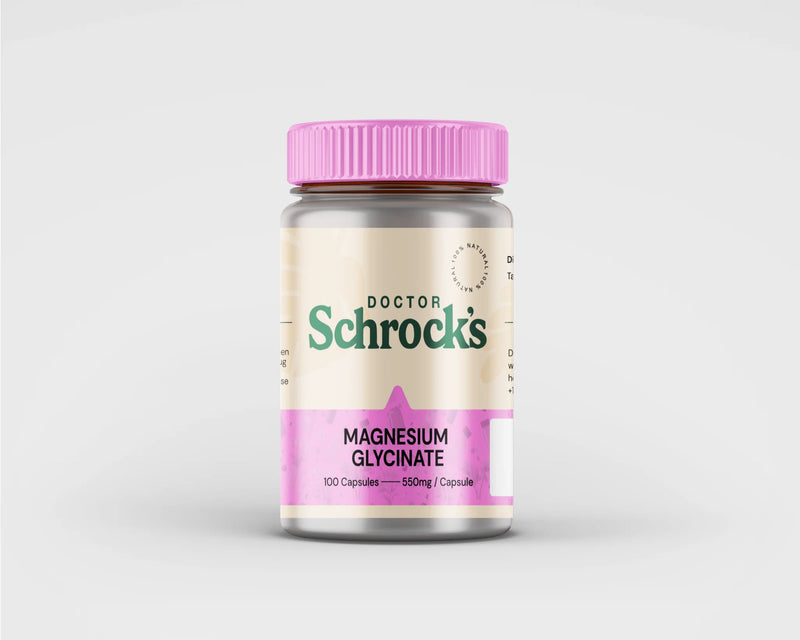
The cleanest, most bioavailable form of magnesium — chelated to glycine for gut-friendly absorption and a built-in calming effect. The single supplement Dr. Schrock recommends to the widest range of patients, from chronic stress to restless sleep to muscle tension.
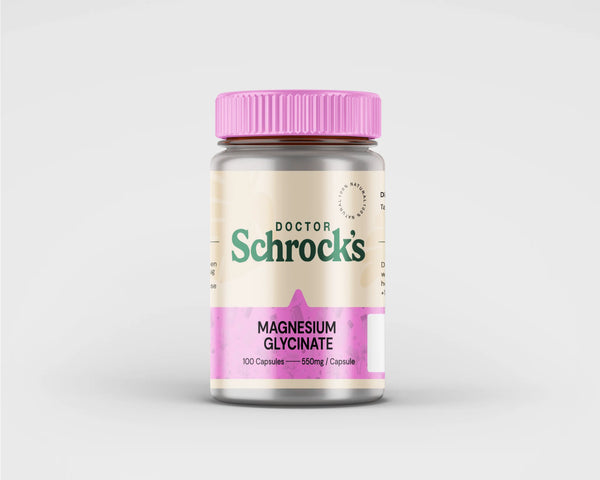 8% Off
Highly-bioavailable Magnesium Glycinate for daily support.
$21.99
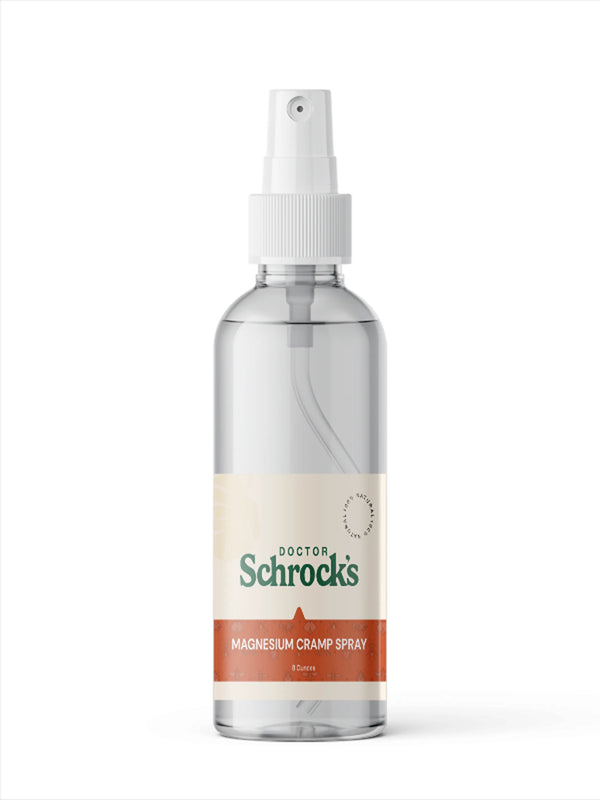 28% Off
Transdermal magnesium + potassium for cramp relief in 2-5 minutes.
$24.99
 11% Off
Whole Nettle Leaf for histamine balance & daily mineral nourishment.
$15.99
 11% Off
Magnesium Glyconate + Potassium for menstrual cramp & muscle relief.
$23.99
Magnesium is not a niche supplement. It is a co-factor for hundreds of enzymes that govern energy, nerves, muscles, and sleep — and most adults are running on less than the body needs.
Magnesium is required for ATP production, DNA repair, neurotransmitter synthesis, protein folding, and blood-glucose regulation — among hundreds of others. Run low on magnesium and dozens of systems quietly slow down.
Magnesium oxide is roughly 4 percent absorbed and mostly acts as a laxative. Glycinate is chelated for clean absorption into the bloodstream — which is why it is the form clinicians prefer for daily use.
Magnesium calms the NMDA receptor and supports GABA tone — the brain's primary inhibitory system. Patients consistently report deeper sleep and quieter minds within two to four weeks of consistent dosing.
Calcium contracts muscles; magnesium relaxes them. Adequate magnesium reduces cramps, tension, restless legs, and the kind of jaw and shoulder tightness most people don't realize they're carrying.
Magnesium glycinate is the anchor, but it works even better paired with our calming botanicals and adaptogens. The Sleep & Stress Reset stacks all four — exactly the way it's used in clinical practice.
Bundle price
$59.95
$71.37separate
Dr. Daniel Schrock
Doctor of Chiropractic | Licensed since 1990
Light sleep, leg cramps at night, that tight band across the shoulders, the slow creep of blood pressure, restless evenings — patients describe these symptoms one at a time and treat them one at a time. Underneath, the same mineral is often missing. Soil depletion, processed food, chronic stress, and several common medications all pull magnesium out of the body faster than the modern diet replaces it.
The form matters more than most people realize. Magnesium oxide is what you find in cheap pharmacy bottles — it's mostly laxative. Glycinate is what clinicians actually use because it absorbs into the bloodstream and the glycine itself supports calm and sleep. Most patients feel the difference within two to four weeks.
From verified buyers in this collection
“60 days on Ache Help paired with Pain Blend topically and I’m off both prescriptions with my doctor’s blessing.”
James R.
“30 days in and I can grip a coffee cup at 6am without warming up first. Subscribing forever.”
Margaret S.
“I’m a strength coach. I’ve put 20+ clients on Inflam-Help Daily — recovery times noticeably faster across the board.”
Tony L.
Oxide is the cheapest and least absorbed (about 4 percent) — it mostly works as a laxative. Citrate is better absorbed (around 25–30 percent) and still has a mild laxative effect, making it useful for constipation. Glycinate is chelated to glycine for clean systemic absorption, is gentle on the gut, and the glycine itself supports calm and sleep — which is why it's the form most clinicians prefer for daily use.
Most adults do well on 200–400 mg of elemental magnesium per day, ideally split into two doses or taken in the evening. Our formulas deliver clinical doses when taken as directed. Start lower if you're new to it and titrate up.
Very rarely — that's the main advantage of glycinate over oxide or citrate. Glycinate is absorbed before it reaches the colon, so it doesn't pull water into the gut the way other forms do. If you're trying to ease occasional constipation, magnesium citrate is the better pick.
Yes — this is one of the most common reasons patients pick up magnesium glycinate in the first place. Take it 30–60 minutes before bed. Magnesium supports GABA tone and helps relax muscles, both of which translate to deeper, quieter sleep within two to four weeks for most people.
Magnesium can interact with certain antibiotics (tetracyclines, fluoroquinolones), bisphosphonates, and some blood-pressure and heart medications — usually by affecting absorption. The fix is timing: separate magnesium from those prescriptions by two to four hours. Loop in your prescribing provider before adding it to any chronic regimen.
Dr. Schrock's clinical guide to fixing the most overlooked deficiency in America — which form to take, when, how much, and what to expect. Forty years of practice, distilled.
No spam. No data selling. Unsubscribe any time. Dr. Schrock's promise.
Free shipping
On every US order over $75
60-day refund
No bottle return needed
Doctor-formulated
40 years of practice
Made in USA
GMP-certified facility


