
4.3/5 Trustpilot
“Off Cymbalta after 11 years.”
“60 days on Ache Help paired with Pain Blend topically and I’m off both prescriptions with my doctor’s blessing.”
James R.

First order, on us
Doctor-formulated supplements built from forty years of clinical practice. Sign up for the Dr. Schrock's Journal and get your discount code instantly.
No spam. Unsubscribe anytime. Clinical guides & product notes only.
You're in
Apply at checkout for 10% off any order. We've also emailed it for safekeeping.
Start shopping → Free Shipping on all US orders over $75
 30-day satisfaction guarantee
 Doctor-formulated since 1990

Popular searches
Trending products
Shop by Ingredient · Quercetin · 7 formulas
The body's most-studied natural antihistamine. Quercetin stabilizes mast cells, balances the prostaglandin pathway, and supports a healthy inflammatory response — doctor-formulated for seasonal allergies and chronic immune balance.

Curated by
Dr. Daniel Schrock, DC — 40 years of clinical practice
I started prescribing quercetin protocols in the late 1990s for patients who were running on antihistamines year-round and wanted off. Quercetin is a flavonoid found naturally in onions, apples, capers, and red wine — and unlike pharmaceutical antihistamines, it does not block histamine after it has been released. It works upstream, stabilizing the mast cells so they release less of it in the first place.
The other reason quercetin sits at the top of my recommendation list is the prostaglandin angle. Mast cells, prostaglandins, and the inflammatory cascade are tightly linked — which is why patients on quercetin often notice quieter joints, calmer sinuses, and fewer flare-ups at the same time. Pairing it with bromelain (a pineapple-derived enzyme that improves absorption and adds its own anti-inflammatory effect) is standard in my practice.
These products support a healthy immune and inflammatory response. They are not intended to diagnose, treat, cure, or prevent any disease. Quercetin is not a substitute for emergency allergy medication. Always consult your healthcare provider before beginning any supplement regimen.
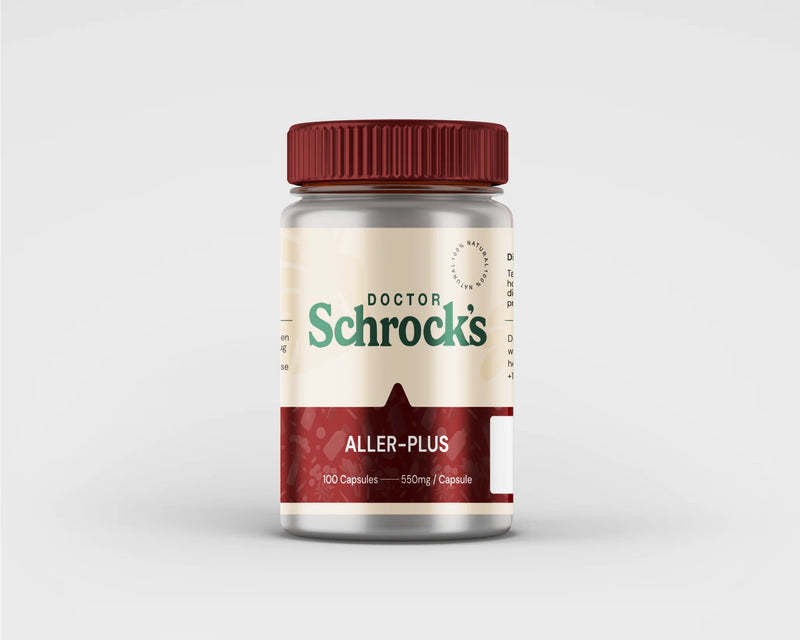
The clinical trio Dr. Schrock has used for decades to support seasonal allergies and a balanced immune response. Quercetin stabilizes mast cells, bromelain boosts absorption and adds anti-inflammatory action, and stinging nettle calms histamine response naturally.
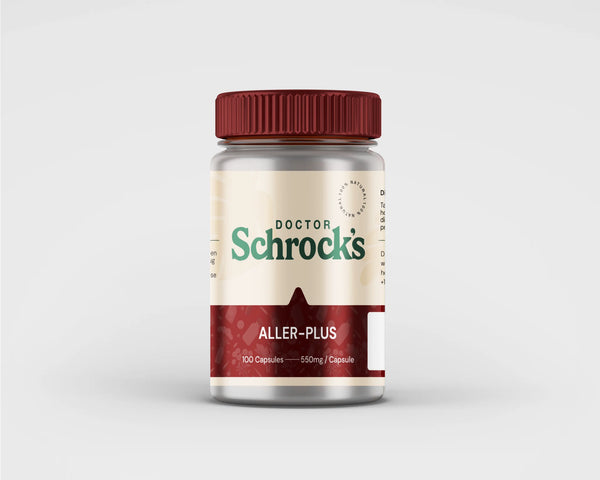 5% Off
Quercetin, Bromelain & Nettle Root for natural histamine balance.
$32.99
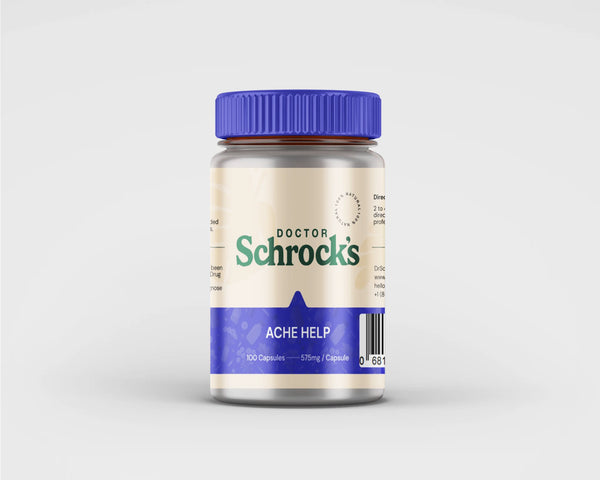 14% Off
MSM, Turmeric, Quercetin & Black Pepper for muscle + joint comfort.
$29.99
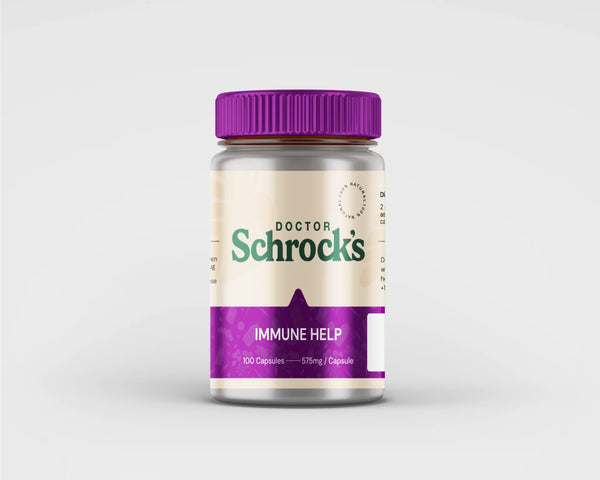 16% Off
Chlorella, Quercetin & Zinc Picolinate for advanced immune defense.
$45.99
 11% Off
Whole Nettle Leaf for histamine balance & daily mineral nourishment.
$15.99
 17% Off
500mg plant-based Quercetin for histamine balance and seasonal allergy support.
$28.99
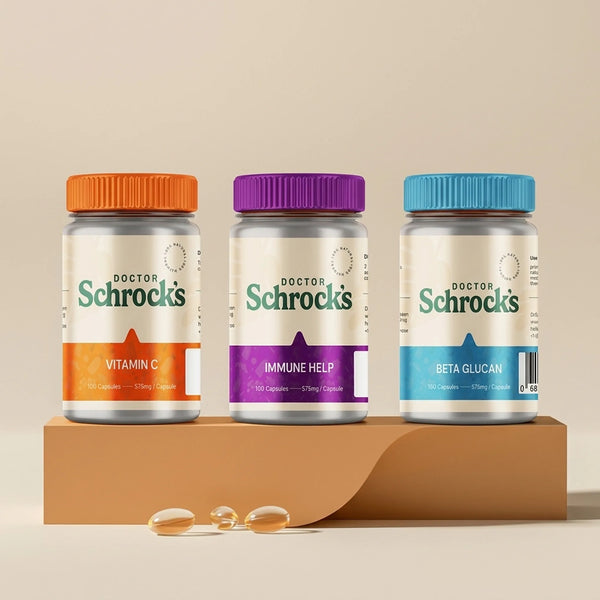 25% Off
4-formula immune optimization protocol — proactive cellular immunity. Save $45.97.
$134.99
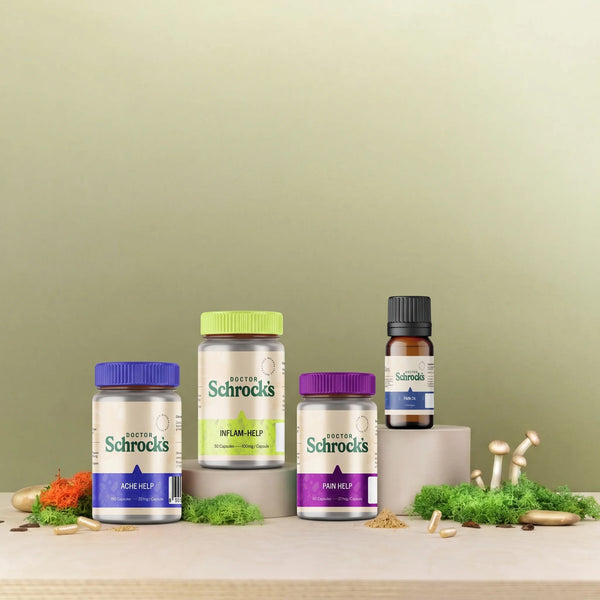 26% Off
4-product Pain Freedom bundle — save $29.97 on the full protocol.
$84.99
Quercetin is not a one-trick botanical. It works upstream of the histamine and inflammatory cascade — which is why patients use it for allergies, joint comfort, and immune resilience all at once.
Mast cells are the immune cells that dump histamine when triggered. Quercetin stabilizes the cell membrane so it releases less histamine in the first place — upstream of where Zyrtec and Claritin work.
Quercetin modulates the COX and LOX enzymes that drive inflammatory prostaglandins. This is why people on quercetin often notice quieter joints and sinuses at the same time.
Quercetin is one of the most potent dietary flavonoids — scavenging free radicals and supporting healthy mitochondrial function as you age.
Bromelain (a pineapple enzyme) improves quercetin absorption and adds its own anti-inflammatory action. The two are nearly always dosed together in clinical practice.
Quercetin works even better stacked with other anti-inflammatories. The Pain Freedom Protocol pairs our quercetin formulas with Turmeric, Boswellia, MSM, and topical oils — covering every inflammatory pathway at once.
Bundle price
$59.95
$71.37separate
Dr. Daniel Schrock
Doctor of Chiropractic | Licensed since 1990
The most rewarding part of building this protocol over the years was watching patients walk away from year-round antihistamine dependence. Pharmaceutical antihistamines block histamine after it has been released. Quercetin works upstream, calming the mast cells so less histamine gets dumped in the first place. That is a different — and in many cases more sustainable — strategy.
I almost always pair quercetin with bromelain. The two are absorbed better together, and bromelain adds its own anti-inflammatory effect at the same time. Most patients notice the difference inside three weeks of consistent dosing, especially when they start before allergy season hits.
From verified buyers in this collection
“60 days on Ache Help paired with Pain Blend topically and I’m off both prescriptions with my doctor’s blessing.”
James R.
“30 days in and I can grip a coffee cup at 6am without warming up first. Subscribing forever.”
Margaret S.
“I’m a strength coach. I’ve put 20+ clients on Inflam-Help Daily — recovery times noticeably faster across the board.”
Tony L.
Most clinical studies and our formulas use 500–1,000 mg of quercetin per day, often split into two doses. For seasonal use, start two to four weeks before allergy season begins — quercetin works by stabilizing mast cells over time, not by blocking acute symptoms.
Bromelain (a pineapple-derived enzyme) substantially improves quercetin absorption and adds its own anti-inflammatory action. The pairing is so well established in clinical practice that nearly every reputable quercetin formula includes it — including ours.
For most patients, yes — they work at different points in the histamine cascade and don't directly conflict. Quercetin is typically used to reduce reliance on pharmaceutical antihistamines over time rather than replace them overnight. Loop in your prescribing provider before stacking, especially if you're managing other conditions.
No — quercetin is used year-round for histamine sensitivity, food intolerance support, joint comfort, and general immune resilience. The mechanism (mast cell and prostaglandin modulation) supports a healthy inflammatory response across many tissues.
Most patients report meaningful change at 2–4 weeks. Quercetin works by stabilizing tissue over time — it isn't a fast-acting symptom blocker. Start it before allergy season for best results.
Dr. Schrock's clinical playbook for getting off year-round antihistamines naturally — dosing, timing, and the bromelain pairing that makes quercetin actually work. Forty years of practice, distilled.
No spam. No data selling. Unsubscribe any time. Dr. Schrock's promise.
Free shipping
On every US order over $75
60-day refund
No bottle return needed
Doctor-formulated
40 years of practice
Made in USA
GMP-certified facility


